How a pet gets from danger to a safe temporary home.
Every placement moves through the same careful pipeline — rapid intake, veterinary care, a screened foster home, and eventually a safe reunion — all protected by a strict two-way information barrier.
The work behind every safe placement.
From intake and veterinary care to reunions and community advocacy — survivor identities and foster locations are always protected.
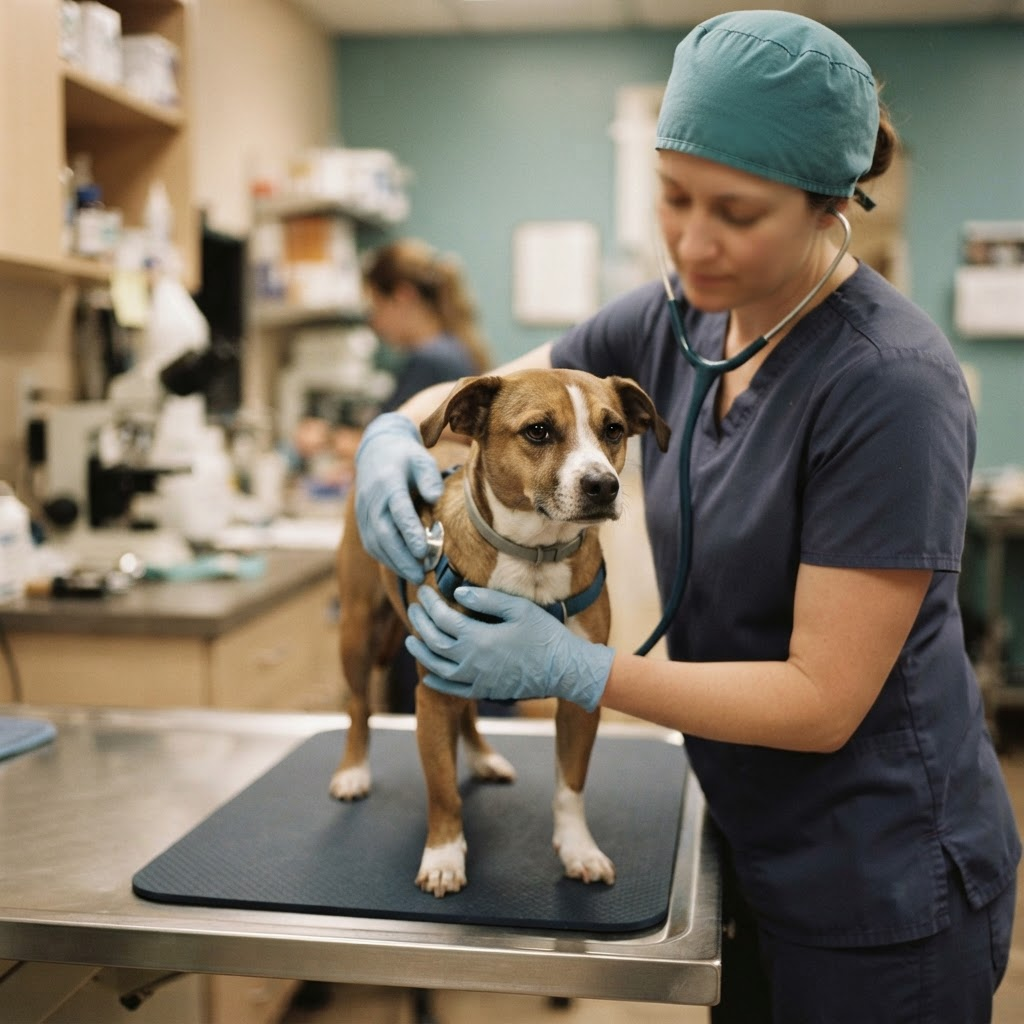
Veterinary care
Every animal receives a health assessment and prompt veterinary treatment on arrival, so placements start safe and stress-free.
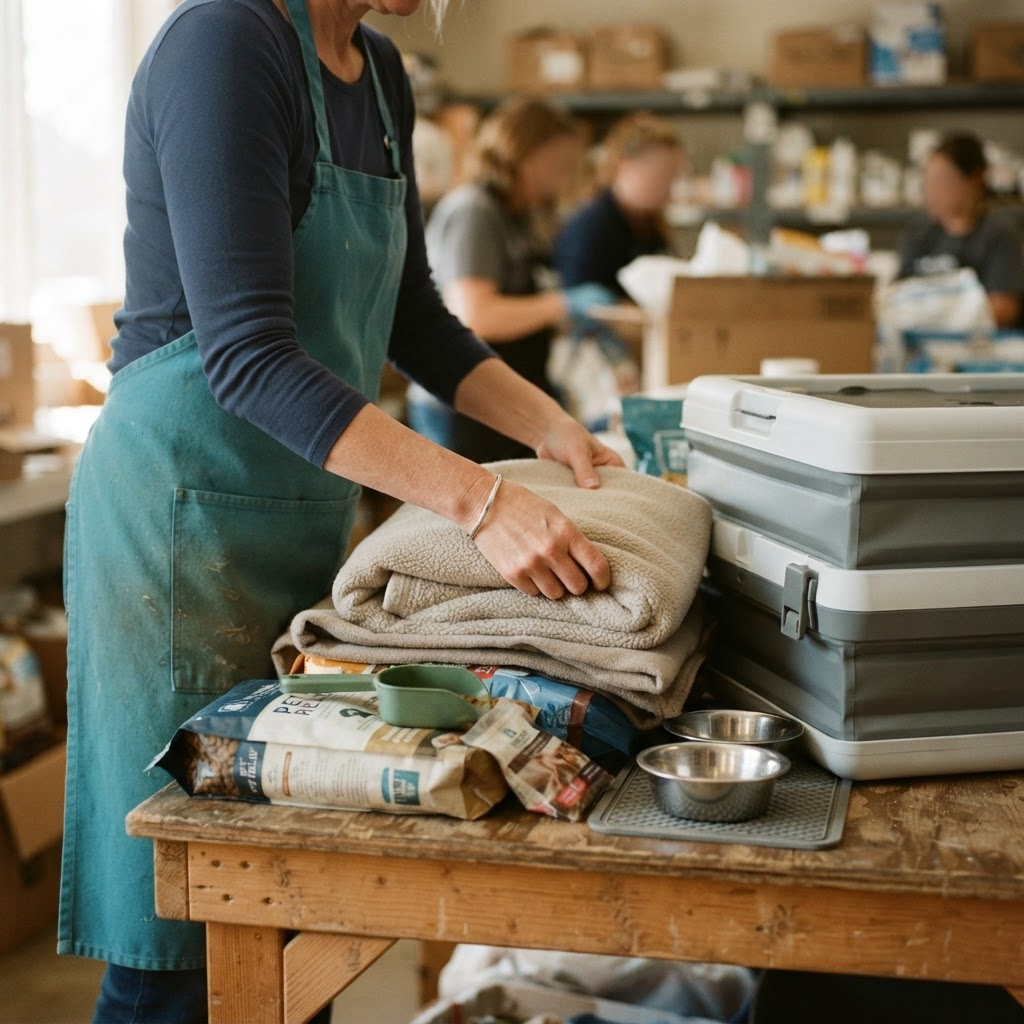
Crisis supplies packaging
Volunteers pack crates, food and bedding ahead of time so an emergency placement can happen the same day it is needed.

Foster home network
Screened, accredited households give pets a calm temporary home while their family finds safety — locations kept strictly confidential.
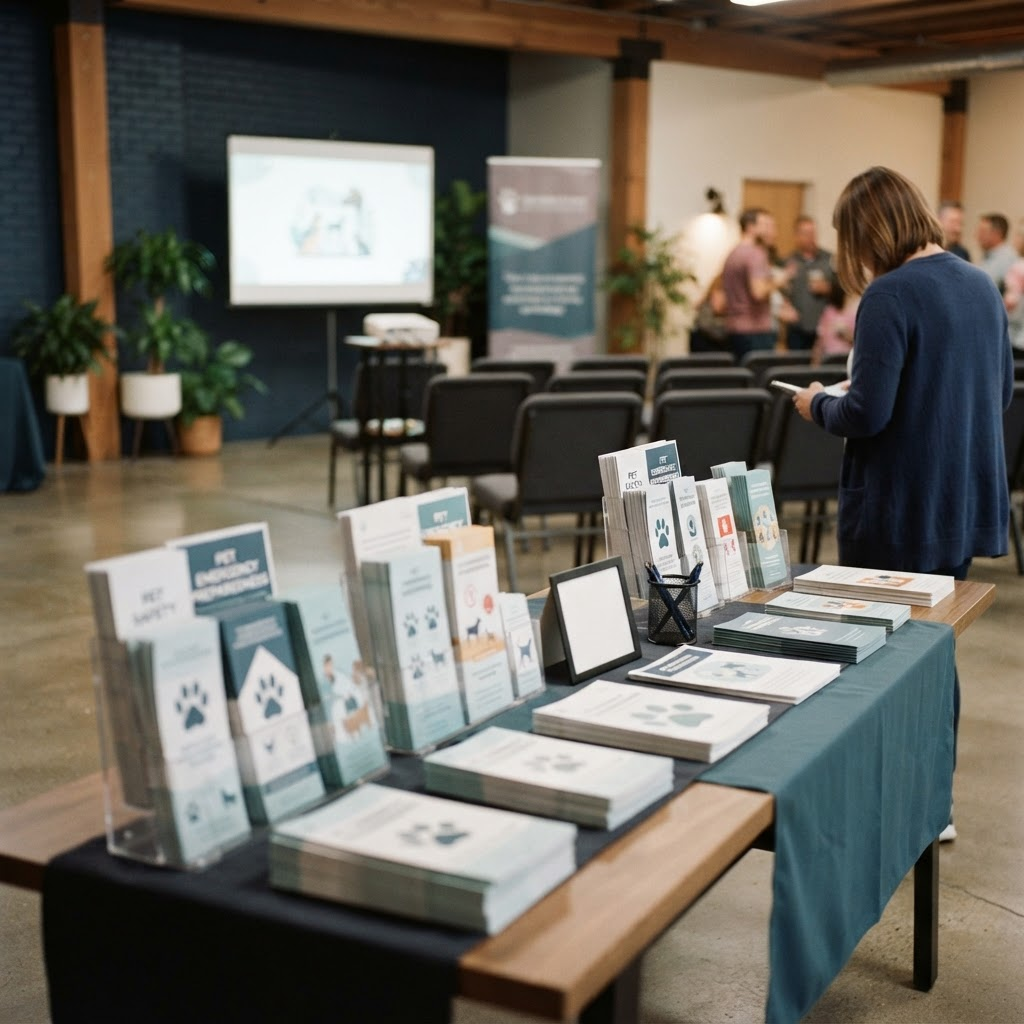
Frontline worker training
We train refuge, hotline and police staff to build pet safety planning into their intake and crisis-response protocols.
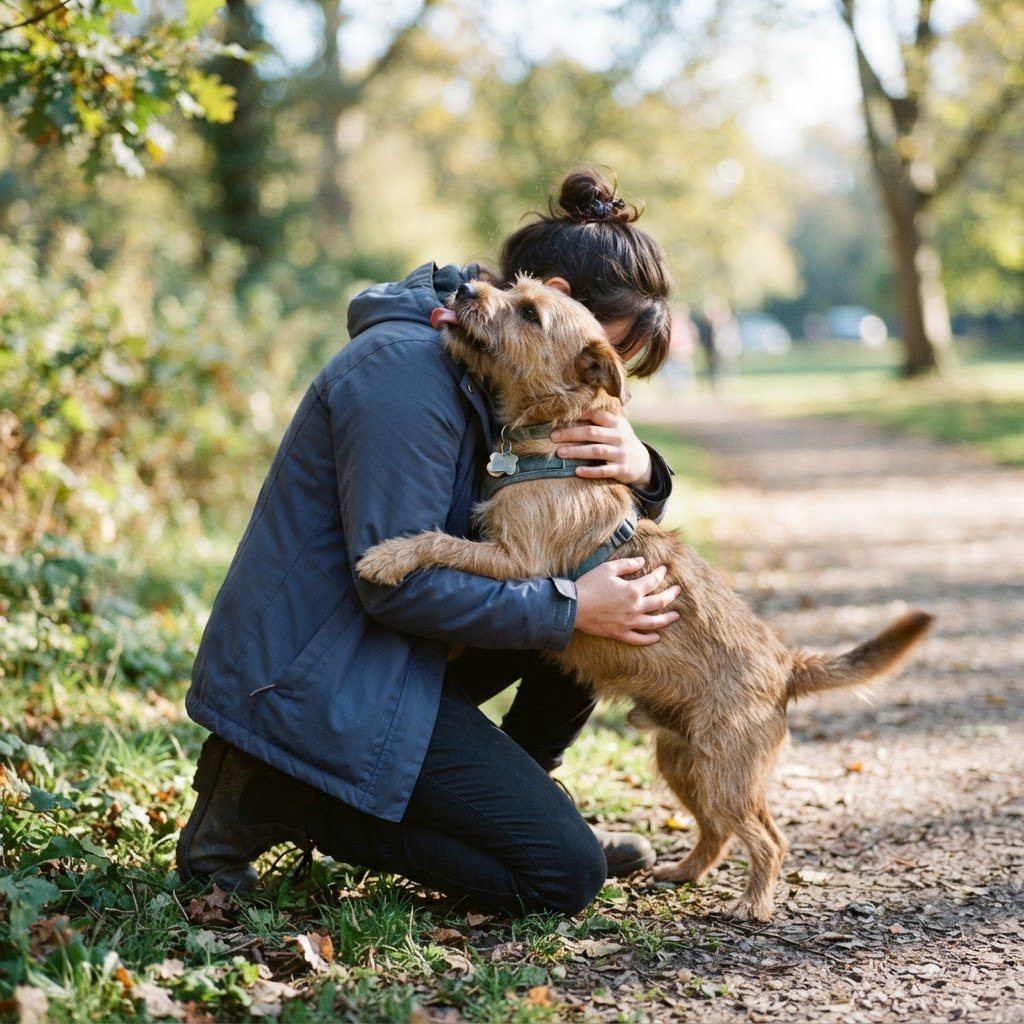
Safe reunions
When a survivor reaches secure housing, we coordinate a calm, private reunion so families and their pets can rebuild together.
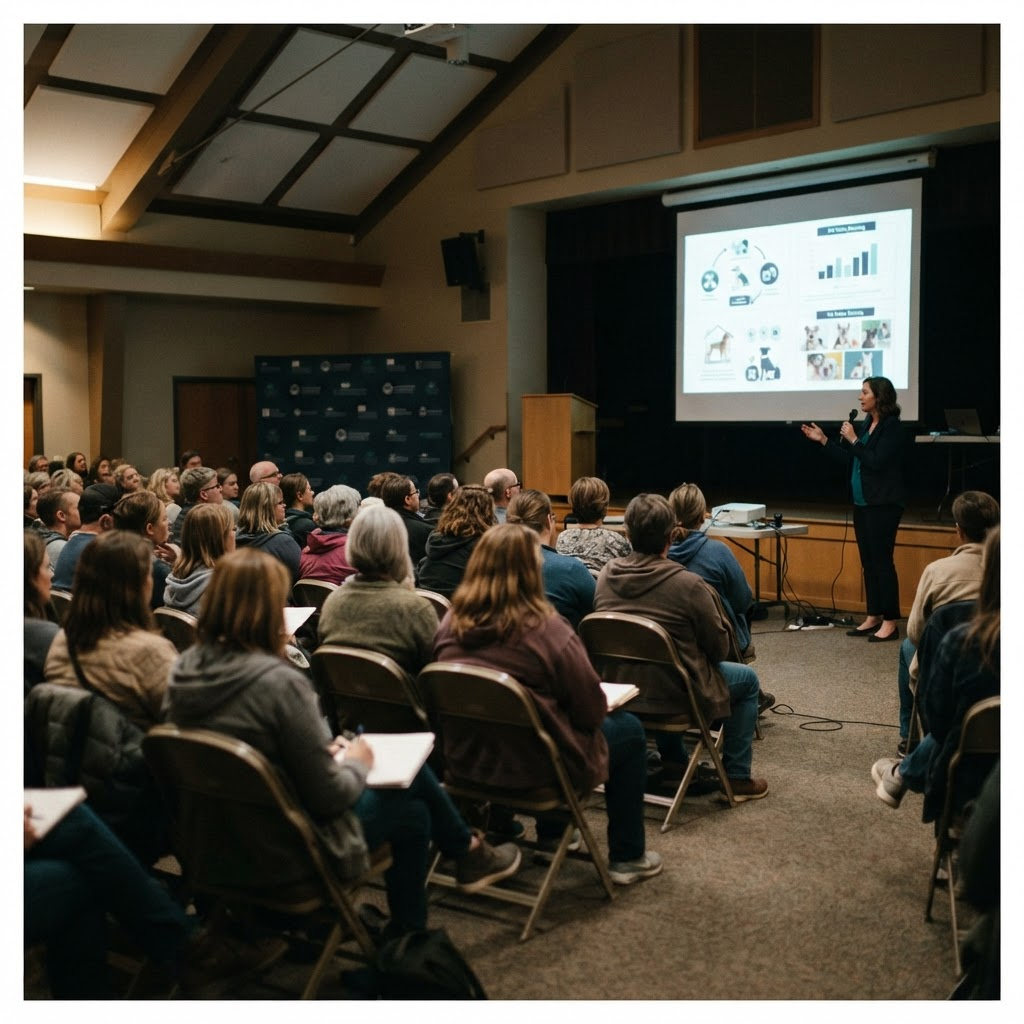
Public seminars
Community seminars raise awareness of the link between animal abuse and domestic violence, and show how the public can help.
100% mutual anonymity, by design.
The safety of our program depends on a strict information barrier between the survivor and the foster household. Neither side can identify the other — not by accident, and not under coercion.
Open your home. Change two lives at once.
Fosters give a pet a calm place to wait while their person finds safe permanent housing. Most placements run four to twelve weeks, and we cover food, bedding and veterinary costs.

- All food, bedding and veterinary care is reimbursed.
- You are never given the survivor’s name or location.
- Free induction training and a 24/7 coordinator contact.
- You choose which species, sizes and timeframes suit you.